Light & Land
The Two Faces of Edinburgh
2nd June 2026
This great Scottish city has two very different atmospheres, depending on how you frame it through the camera
By Peter Fenech
I’ve been visiting Edinburgh regularly since I was a child, and I do wonder if I’ve taken its proximity to my home in Northern England for granted. My friends from the South have often lamented the extra distance they have to travel, especially for spur-of-the-moment trips, which are more than possible from Newcastle – the two cities are barely 90 minutes apart by train.
I review a lot of lenses and cameras as part of my day-to-day job, and few places offer the variety of subject matter and architectural styles as Edinburgh; it’s the perfect place to try your hand at any genre of photography.
It’s a city split down the middle, metaphorically. There are the imposing, gothic spires which lend themselves to an almost fantastical interpretation, and then there are the more contemporary elements, which throw in an array of vibrant colours to provide some much-needed contrast.
The grey and the gothic
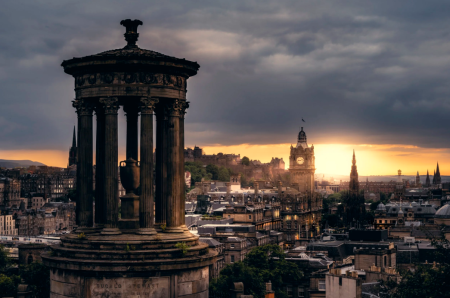
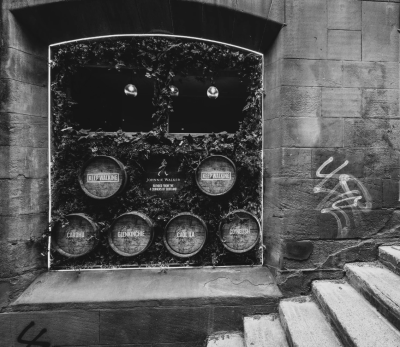
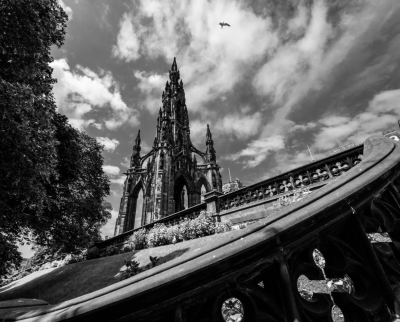
Edinburgh is known for its Craigleith Sandstone, which lends the city an iconic greyish-brown colouration. In overcast weather, this makes it ideal for images with a darker theme that convey a storytelling vibe. There are few cities in the UK more fitting for highly-textured black and white photography, and it’s my go-to destination for monochrome architectural studies.
I like to watch out for areas of extremely fine texture and isolate these using a longer focal length of 100mm or greater. This cuts out detail around the edges of the frame and allows the viewer to absorb this detail without the frame becoming too busy. Edinburgh is not a city for huge sweeping skylines, although they can be found up on the gorgeous Calton Hill, so seeking out cosy or creepy nooks is a fun way to pass an entire day. If you are a fan of multiple exposure photography, you’re in luck - these textures make incredible overlays.Alternatively, I love to contrast areas of low colour intensity with brightly-hued backgrounds. A deep blue sky makes the gothic shapes stand out even more, and allows the photographer to focus in on the shape and form of Edinburgh. Look to use the many arches and doorways as frames within frames, adding depth to your compositions.
Unexpected colour
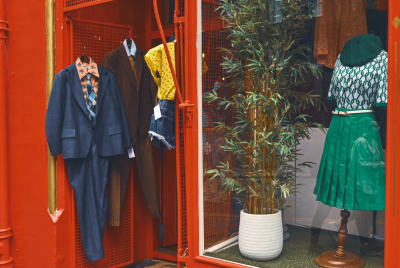
There is far more to Edinburgh than grey stone, however. Look beneath the surface and there are a huge range of bright colours to explore, and not just in the new town. The shop fronts on the iconic Victoria Street and Cockburn Street are vibrant and energetic, adding a youthful palette to the canvas of your images.
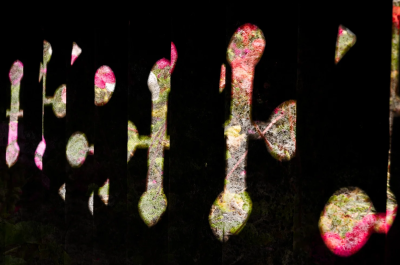
Look to isolate the borders of these coloured areas, where one shop front meets another, to create abstract images that distil how the range of colours made you feel about the city. Watch for equally colourful characters to pass by, adding yet again to that narrative potential that Edinburgh provides. Go in with a colour theme in mind and use the greyish stone as a blank slate on which the paintwork can stand out.
Look for arcs and lines
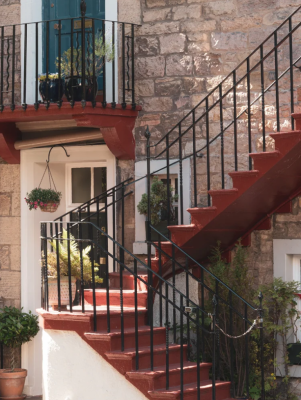
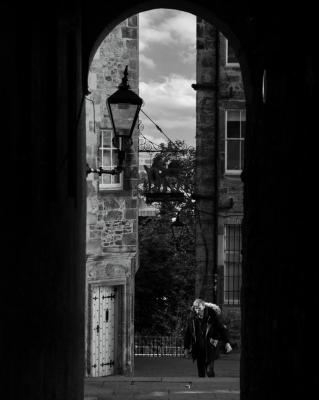
Another aspect of Edinburgh I love is the contrast of straight lines and curved archways and alleys. Once again, it is a case of the gothic elements playing off the more regimented Regency buildings and the contemporary 20th-century properties. Try creating a series of images that use straight lines and curves as the defining characteristics, juxtaposing the two faces of the city while conveying their equal importance in shaping the personality of the Scottish Capital.
Still and in-motion
Edinburgh has stood for centuries and this is clear in the solidity of its older buildings. This gives we photographers yet another opportunity to tell a story. In all my images, I like to contrast still and moving elements, usually through the use of long exposures. Edinburgh is a great location for this approach, as it’s possible to capture the rigid and enduring nature of its grand buildings, with the ephemeral weather, people, and traffic patterns.
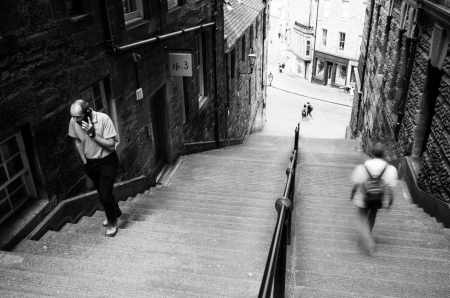
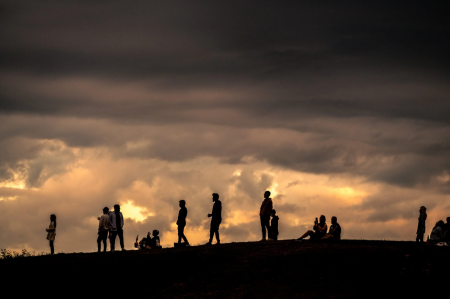
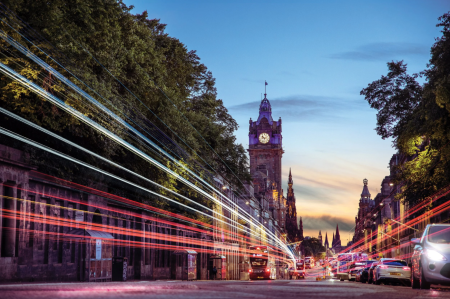
Use a wide lens to exaggerate perspective in the narrow streets and set a long exposure to capture the clouds moving overhead. Similarly, wait until the blue hour to capture the moving traffic on Princes Street or trains moving in and out of Waverley Station. This helps to tell the viewer a bit about the history of the city, while also capturing the energy of modern daily life in Edinburgh.
If you want to join Peter in Edinburgh, book your spot on our one-day workshop on 15th September 2026.