
Light & Land
The Elbe Sandstone Mountains - a Photography Tour in the Footsteps of Caspar David Friedrich
Fully Booked
-
24th - 31st October, 2026
-
£3,699.00 / £500.00 Deposit
-
Approximately - Loading...
Our photography tour to the Elbe Sandstone Mountains will take place in October 2026 and will be led by Niall Benvie.
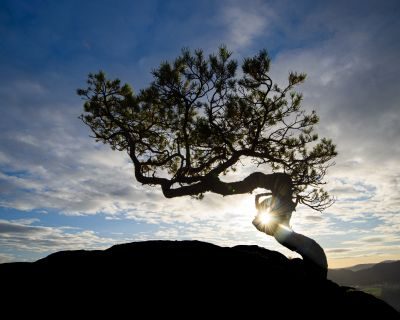
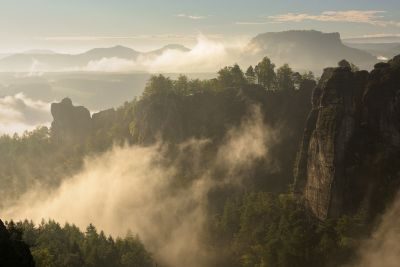
The Elbe Sandstone Mountains, straddling the border of Germany and Czechia (part of which is confusingly known as Saxon Switzerland), lie close to Dresden in what was once East Germany. There is nowhere else in Central Europe that matches the variety of landforms in so compact an area, from table mountains like Lilienstein, to deep, wooded ravines such as Liebethaler Grund, curiously eroded rock pillars like those at Pfaffenstein, to wild outcrops, crags, and Europe’s largest natural sandstone arch, Pravčická brána, just across the Czech border. No wonder it was a favourite region of the celebrated German Romantic Period painter, Caspar David Friedrich. In its strangeness, he found the perfect setting in which to create his haunting work. In more recent times, the makers of The Chronicles of Narnia also succumbed to its other-worldly charms to film some scenes.
Tags: Elbe Sandstone Mountains Photography Tour | Elbe Sandstone Mountains Landscape Photography | Niall Benvie

Elbe Sandstone Mountains Photography Tour - In the Footsteps of Caspar David Friedrich
Some places bear the scars of their geological history for all to see, others try to conceal them, as best they can, under woodland or till. Sometimes, the peculiarity of that history - its discontinuity with the regions around - means that even the densest forests, the deepest till, fail to disguise the trauma of a place’s history and its essential incongruity.
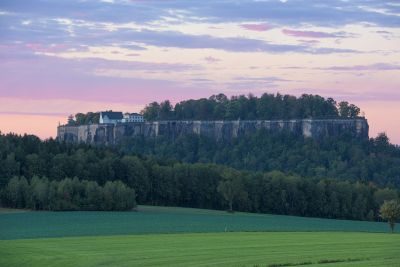
So it is with Saxon Switzerland, an oddity amongst the Central European Uplands on account of the diversity of its landscapes in such a small area. It is transected by the Elbe river valley and lies a short drive to the southeast of Dresden, extending over the border into Czechia. Between pockets of rolling agricultural land are tepui-like table mountains, abysmal gorges and lofty rock pillars. These features trace their origins back to the Cretaceous period, when the area was submerged and the sediments from which these forms emerged were laid down. Eons of erosion have produced the remarkable landscape we see today—a landscape that has been an irresistible draw to visitors for over 200 years.


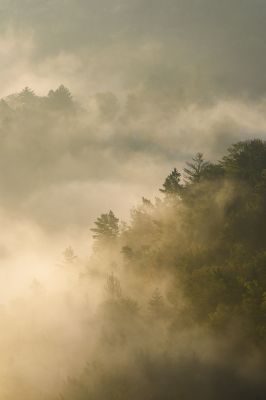
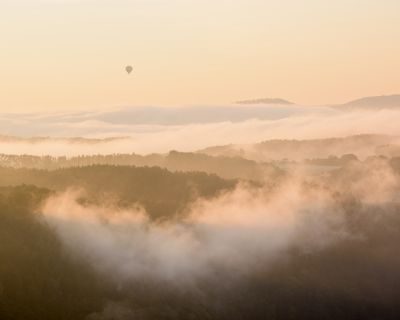
The dense forests that cloak the region can’t mask its strange beauty, and indeed, it is that strangeness that appeals to us. The term “Saxon Switzerland” traces its origins to two painters from the Swiss Jura who taught at the Dresden Academy of Art in the late 18th Century and were put in mind of home. Caspar David Friedrich’s most famous painting, Wanderer above the Sea of Fog, is set here, and we will provide a “character” if you also want to feature a person in your work.
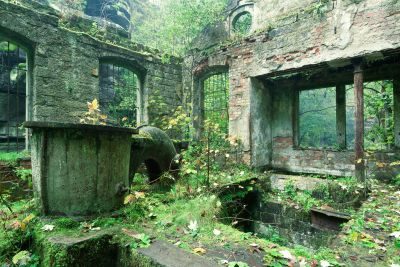
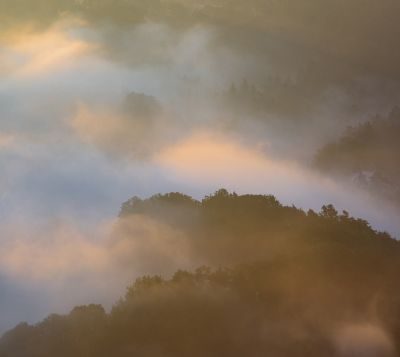
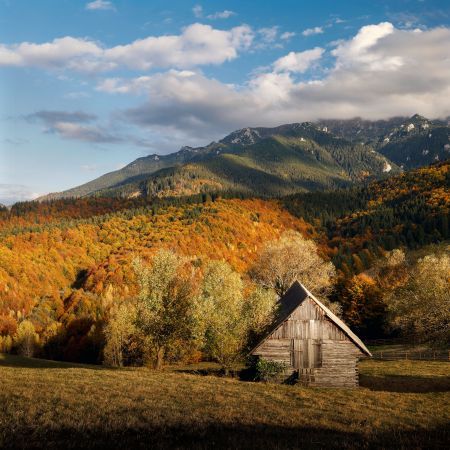
While the greater landscape here undoubtedly inspires awe, the region’s many dense woodlands – cheery with the colours of autumn – mossy cascades, gloomy ravines and spooky abandoned industrial works will keep us absorbed, no matter the weather or time of day.
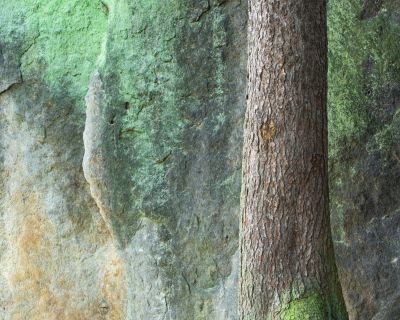
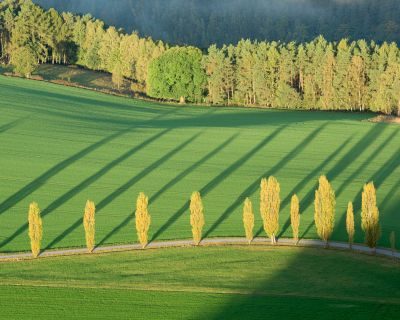
-
Included
Accommodation - single occupancy
Breakfasts
Airport Transfers from recommended flights
Transport during the tour
Tuition from Niall Benvie
-
Excluded
International flights
Meals not mentioned
Insurance
Tutored By

More Tours & Workshops





Scroll